
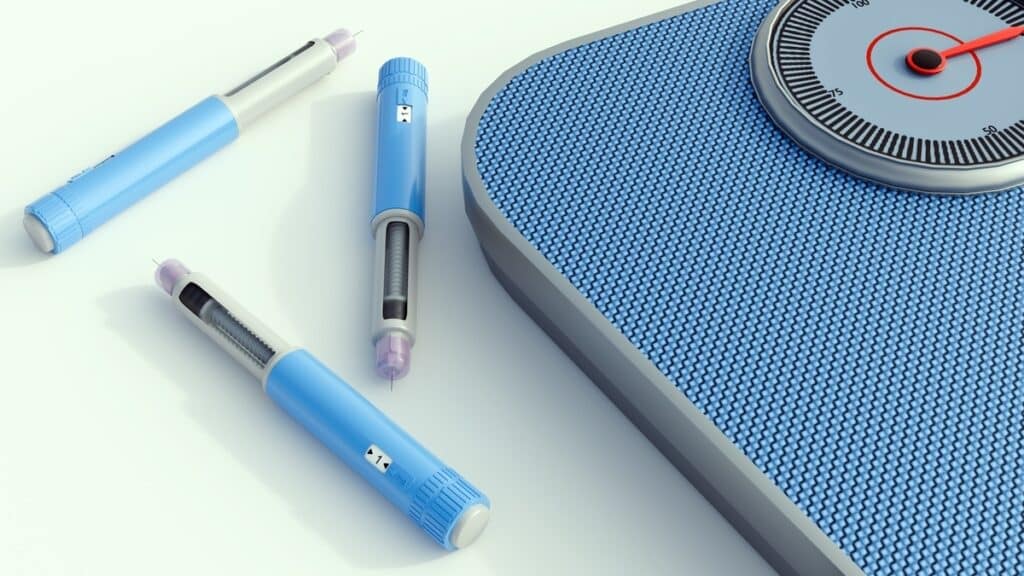
GLP-1 and GIP Side Effects: What to Expect and How to Manage Them
- Awakin Men's Health
- May 24, 2026
- 10 min read
Medical Weight Loss
Table of Contents
- 1. What Are GLP-1 Medication Side Effects?
- 2. The Most Common Side Effects of GLP-1 Treatment
- 3. Less Common but Serious Side Effects to Know
- 4. How Long Do GLP-1 Medication Side Effects Last?
- 5. How to Cope With GLP-1 Medication Side Effects
- 6. When Should You Contact Your Provider?
- 7. Frequently Asked Questions (FAQs)
- 8. The Bottom Line
Starting a medical weight loss program is a big decision, and one of the first questions men ask is: what should I expect along the way? If your provider has recommended a GLP-1 or GIP-based treatment, you may have already heard that some adjustments come with the territory. Understanding GLP-1 medication side effects before you begin can make the difference between pushing through the early weeks and giving up on a treatment that could genuinely change your health. This guide covers what side effects are most common, how long they typically last, and practical strategies for managing them so you can stay on track and reach your goals.
1. What Are GLP-1 Medication Side Effects?
GLP-1 (glucagon-like peptide-1) and GIP (glucose-dependent insulinotropic polypeptide) medications work by mimicking hormones your gut naturally produces. They slow digestion, reduce appetite, and help regulate blood sugar. Because these medications affect your digestive system directly, most GLP-1 medication side effects are gastrointestinal in nature, particularly in the first few weeks of treatment.
Medications in this class include semaglutide and tirzepatide, both of which are used in medically supervised weight loss programs. According to the National Institutes of Health, gastrointestinal events are the most frequently reported adverse effects in GLP-1 receptor agonist trials, affecting a significant portion of patients especially during dose escalation.
The good news is that for most men, these effects are temporary and manageable with the right approach.
2. The Most Common Side Effects of GLP-1 Treatment
Most men who start a GLP-1 or GIP program experience at least one of the following, particularly during the first four to eight weeks or when the dose is increased:
- Nausea: The most frequently reported side effect. It tends to be mild to moderate and usually improves after the first few weeks.
- Vomiting: Less common than nausea but possible, especially if meals are too large or eaten too quickly.
- Diarrhea: Loose stools can occur as your digestive system adjusts to the medication.
- Constipation: Some men experience the opposite, as GLP-1 slows gut motility.
- Fatigue: Reduced caloric intake combined with the body adapting to the medication can cause temporary tiredness.
- Appetite suppression: While this is the intended effect, it can feel intense at first and lead some men to undereat unintentionally.
- Injection site reactions: Redness, minor bruising, or discomfort at the injection site is common and usually mild.
- Headaches: Reported by some patients, often linked to reduced food and fluid intake during the adjustment period.
If you want a clearer picture of how your body typically responds during the early phase of treatment, our medical weight loss results timeline breaks down what to expect week by week.
3. Less Common but Serious Side Effects to Know
Most men tolerate GLP-1 treatment well, but it is important to be aware of less frequent side effects that warrant immediate medical attention:
- Pancreatitis: Inflammation of the pancreas is rare but has been reported. Symptoms include severe abdominal pain that radiates to the back along with nausea and vomiting.
- Gallbladder problems: Rapid weight loss of any kind can increase the risk of gallstones, and GLP-1 medications may contribute to this risk in some patients.
- Thyroid concerns: Animal studies have shown a potential link between GLP-1 receptor agonists and thyroid tumors. According to the U.S. Food and Drug Administration, these medications carry a boxed warning for thyroid C-cell tumors in patients with a personal or family history of certain thyroid conditions.
- Low blood sugar: Less common in people without diabetes, but possible when combining GLP-1 medications with other treatments.
- Kidney concerns: Severe dehydration from vomiting or diarrhea can affect kidney function. Staying hydrated is critical throughout treatment.
These side effects are uncommon, but they are exactly why working with a supervised medical provider matters rather than using these medications without clinical oversight.
4. How Long Do GLP-1 Medication Side Effects Last?
This is one of the most common questions men ask when starting treatment. The honest answer is that it varies, but there is a general pattern most patients follow:
- Weeks 1 to 4: Side effects tend to be most noticeable as your body adjusts to the medication.
- Weeks 4 to 8: For most men, nausea and digestive discomfort begin to ease significantly.
- After dose increases: Side effects may temporarily return or intensify each time the dose is escalated, then settle again over the following weeks.
- Long term: The majority of men who stay on the medication report that side effects become minimal or disappear entirely after the first two to three months.
According to the Mayo Clinic, most GLP-1-related gastrointestinal symptoms are transient and improve as patients continue treatment and adjust their eating habits.
The key is not stopping prematurely. Most men who discontinue during the early adjustment period miss out on the significant results that come after the body acclimates fully to the medication.
5. How to Cope With GLP-1 Medication Side Effects
Managing GLP-1 medication side effects is largely about adjusting your habits during the adjustment period. The following strategies make the biggest difference for most men:
Eating habits:
- Eat smaller meals more frequently rather than two or three large meals per day
- Eat slowly and stop at the first sign of fullness
- Avoid high-fat, greasy, or fried foods especially in the early weeks
- Avoid spicy foods that can irritate an already sensitive digestive system
- Do not lie down immediately after eating
Hydration:
- Drink water consistently throughout the day rather than in large amounts at once
- If nausea is present, sip cold water or clear fluids slowly
- Avoid alcohol and carbonated beverages, which can worsen nausea and bloating
Injection timing:
- Many patients find that injecting at night before bed reduces awareness of nausea during the day
- Rotate injection sites regularly to minimize localized skin reactions
General strategies:
- Give your body adequate time with each dose increase before drawing conclusions about tolerability
- Keep a simple log of when side effects occur and what you ate that day to identify patterns
- Communicate with your provider consistently so your dose titration schedule can be adjusted if needed
With the right clinical guidance, most men find that GLP-1 and GIP treatment in Omaha becomes significantly more manageable after the first month.
6. When Should You Contact Your Provider?
Most GLP-1 medication side effects are uncomfortable but not dangerous. However, contact your provider promptly if you experience any of the following:
- Severe or persistent abdominal pain, especially if it radiates to your back
- Vomiting that prevents you from keeping fluids down for more than 24 hours
- Signs of dehydration: extreme thirst, dark urine, dizziness, or significantly reduced urination
- A lump or swelling in the neck, difficulty swallowing, or unexplained hoarseness
- Rapid heart rate with no clear cause
- Yellowing of the skin or eyes, which may indicate gallbladder or liver involvement
- Any symptom that feels sudden or severe rather than the gradual adjustment you were warned about
Your provider can adjust your dose, slow the titration schedule, or recommend supportive measures. Do not wait or attempt to self-manage symptoms that feel serious.
7. Frequently Asked Questions (FAQs)
Does everyone experience side effects on GLP-1 medications?
Not everyone does. Studies suggest that roughly 30 to 50 percent of patients experience noticeable gastrointestinal effects, with the majority reporting mild to moderate symptoms that resolve on their own. Some men start the medication and experience very little disruption at all, particularly those who follow dietary guidelines from the beginning.
Can I take anything to help with GLP-1 nausea?
Your provider may recommend over-the-counter options like ginger tea, vitamin B6, or anti-nausea medication for the early weeks. Dietary adjustments tend to be the most effective approach, particularly reducing meal size and avoiding fatty or heavy foods. Always check with your provider before adding anything new to your routine.
Will side effects get worse as the dose increases?
It is common for mild side effects to return temporarily with each dose increase. This is a normal part of the titration process. The adjustment period after a dose increase is typically shorter than the initial adjustment period, usually one to two weeks for most men.
Is it safe to exercise while experiencing GLP-1 side effects?
Light to moderate exercise is generally fine and can actually help with digestion and energy levels. Avoid intense training on days when nausea or fatigue is pronounced. Stay well hydrated and avoid exercising fasted if your appetite suppression is already causing you to eat very little.
How do side effects compare between semaglutide and tirzepatide?
Both medications share a similar side effect profile since they act on overlapping hormonal pathways. According to a 2023 review published in Diabetes Care, tirzepatide’s dual GLP-1 and GIP action may produce a slightly different tolerability profile compared to semaglutide alone, though gastrointestinal effects remain the most common for both.
What if I cannot tolerate the side effects at all?
Speak with your provider before stopping the medication. In many cases, slowing the dose titration schedule or adjusting when and how you take the medication resolves tolerability issues entirely. Stopping abruptly means losing progress that took weeks to achieve, and most tolerability challenges can be resolved with the right clinical support.
8. The Bottom Line
GLP-1 medication side effects are real, and it is completely normal to feel uncertain when your body is adjusting to something new. The important thing to understand is that for the vast majority of men, these effects are temporary, manageable, and not a reason to abandon a treatment that has strong clinical evidence behind it.
The first few weeks are the hardest. After that, most men find that the side effects fade and the results begin to speak for themselves.
If you are considering GLP-1 or GIP treatment in Omaha or want better support through the process, our team at Awakin Men’s Health is here to guide you at every step. Reach out today to schedule a consultation.
Key Takeaways
GLP-1 and GIP medication side effects are real, and it is completely normal to feel uncertain when your body is adjusting to something new during the first weeks of treatment. But understanding what to expect, and more importantly how to manage it, is what separates the men who push through the adjustment period and reach their goals from those who stop prematurely and miss out on results that could genuinely change their health. For the vast majority of patients, side effects like nausea, fatigue, and gastrointestinal discomfort are temporary, manageable, and significantly reduced once the body adapts to the medication. Simple adjustments to meal size, eating pace, hydration habits, and injection timing make a meaningful difference during those first four to eight weeks. The serious side effects that warrant immediate medical attention are rare, but knowing what to watch for ensures you are never left guessing. With the right clinical guidance and a provider who adjusts your protocol as needed, GLP-1 treatment becomes far more manageable than most men expect before they begin.
You Do Not Have to Navigate This Alone.
The first few weeks of GLP-1 treatment are the hardest, and having the right support during that adjustment period is what makes the difference between giving up early and reaching results that speak for themselves.
Medical Disclaimer: This article is intended for informational purposes only and does not constitute medical advice, diagnosis, or treatment. The information provided here is based on general clinical knowledge and published research. Individual results and experiences may vary. Always consult a qualified healthcare provider before starting, changing, or stopping any medication or treatment program. If you are experiencing a medical emergency, call 911 or go to your nearest emergency room immediately.